
The advent of autonomous vehicles and drone deliveries promises to radically revolutionize the transportation and logistics sector, with a significant impact on the global economy and consumer habits.
Autonomous Vehicles: A Landmark Innovation
The introduction of autonomous vehicles is expected to have a monumental impact on the global economy. It is estimated that these vehicles could add around $30 trillion to global GDP, thanks to revenues generated from autonomous ride-hailing services and the leisure time gained, which could boost productivity. This increase in GDP could even offset the estimated $4 trillion loss in revenue due to the decline in sales and maintenance of gas-powered vehicles. Overall, net gains could reach $20 trillion in additional GDP by 2030, a figure comparable to the entire US economy.
The scale of this innovation is such that autonomous ride-hailing is expected to contribute about 2-3% to annual GDP by 2030. For comparison, the impact of the steam engine, robots, and IT on annual GDP during their periods of introduction was lower.
Economic Benefits for Consumers:
- Reduced transportation costs: Autonomous vehicles promise to significantly reduce transportation costs for consumers, thanks to the elimination of labor costs, fewer accidents (and thus lower insurance costs), and greater fuel efficiency.
- Economic gain from unpaid labor: With autonomous vehicles, the time spent driving, currently unpaid, could be converted into measurable economic activity. Consumers could work, study, or relax during their commutes, increasing their productivity and overall well-being.
Drone Deliveries: Convenience and Speed
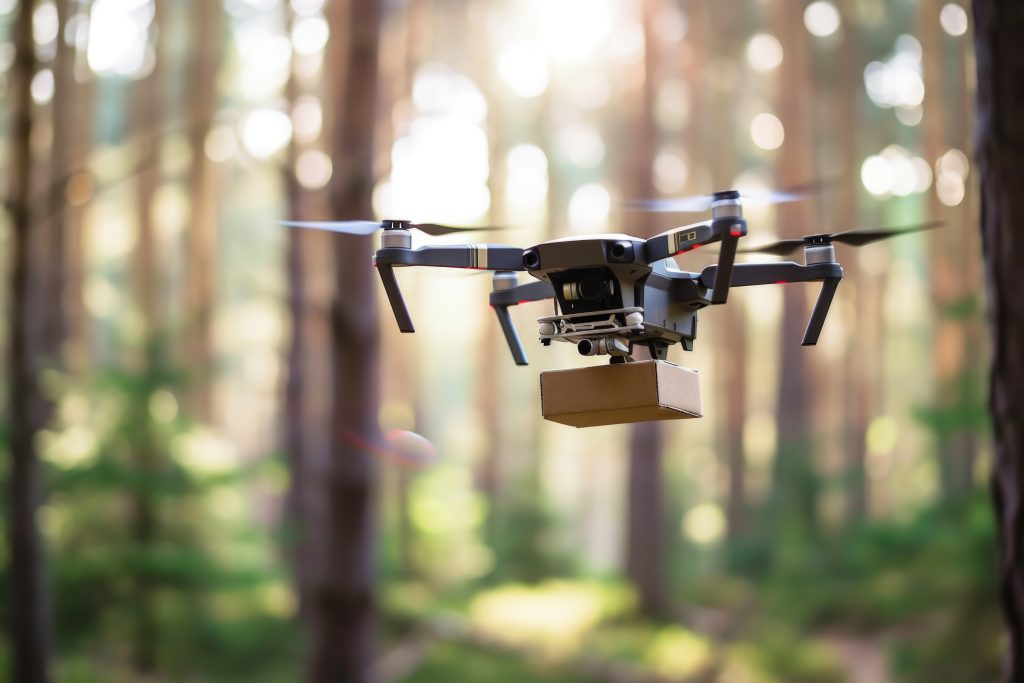
Drone deliveries are set to revolutionize consumers’ shopping habits, encouraging the purchase of goods online due to increased convenience and reduced costs. It is estimated that by 2030, the cost of delivering a package via drone will be only $0.25, a price that would allow providers to make a profit. Currently, standard delivery costs about $4 per package.
The affordability and speed of drone deliveries will have a significant impact on the e-commerce market. The market share of online retail sales is expected to rise from 18% in 2020 to 60% in 2030. Additionally, the volume of deliveries will increase thanks to the ability to split heavier packages into lighter loads, facilitating transport via drones.
Changes in Consumer Habits:
- Increase in online purchases: The convenience and affordability of drone deliveries will encourage consumers to buy more products online, leading to a significant increase in e-commerce sales.
- Greater frequency of purchases: Drones will make online shopping more frequent, especially for residents in rural and suburban areas. Fast and affordable deliveries could encourage consumers to opt for rapid shipping, making purchases multiple times a day.
- Changes in food storage: Drones could revolutionize how consumers buy, store, and consume food. The ability to order fresh groceries more often might lead to a reduction in refrigerator sizes and a repurposing of pantries.
Autonomous vehicles and drone deliveries represent two innovations set to radically transform the economic and social landscape. The economic benefits, increased efficiency, and convenience for consumers make these technologies a promise for the future.